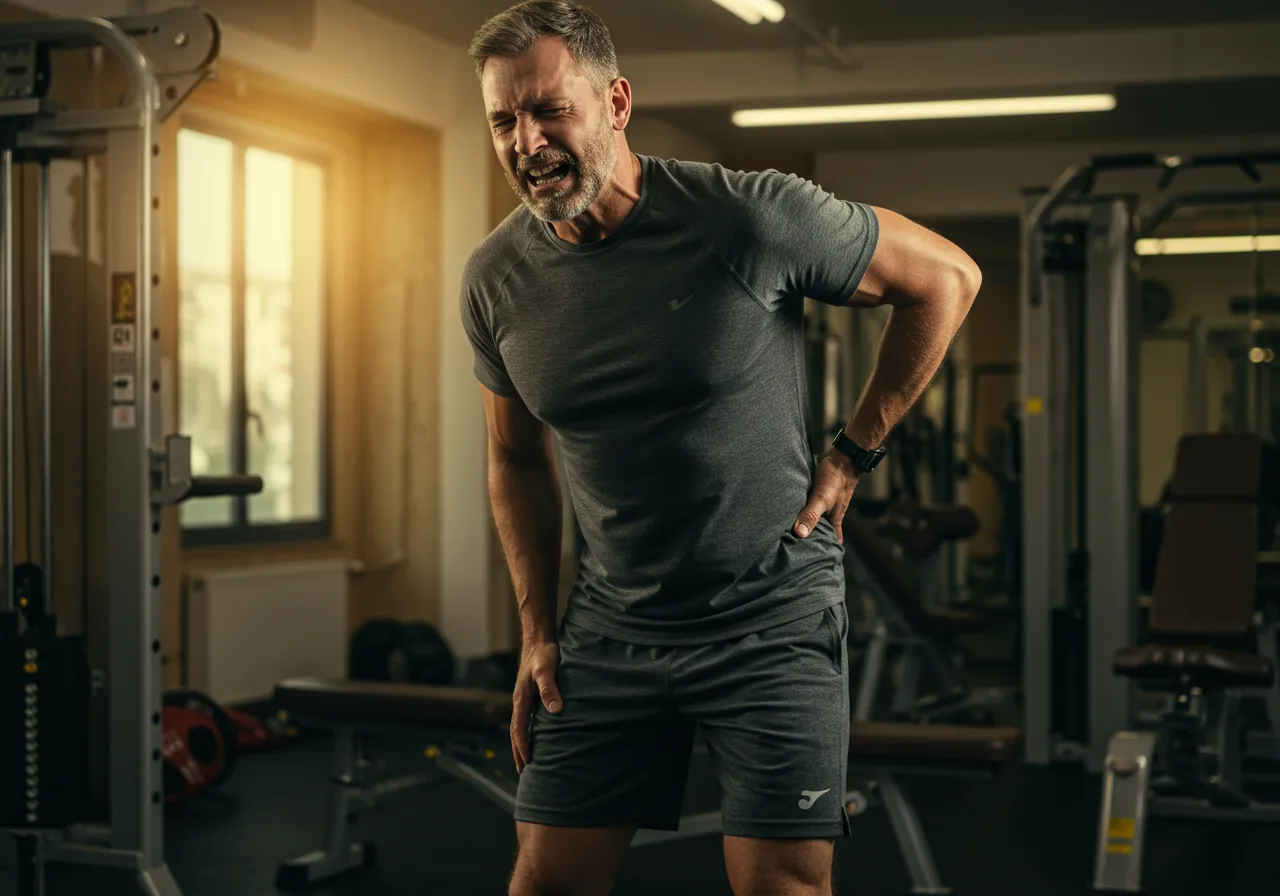
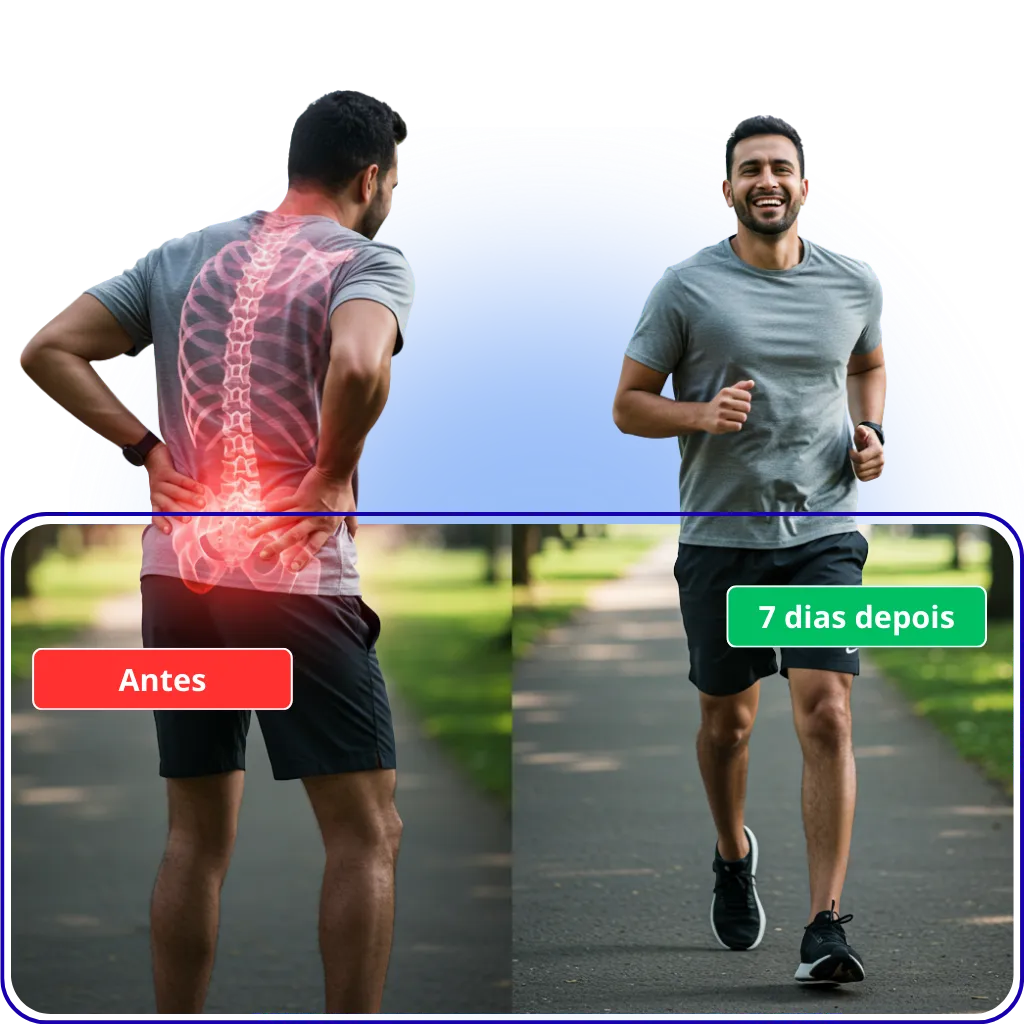

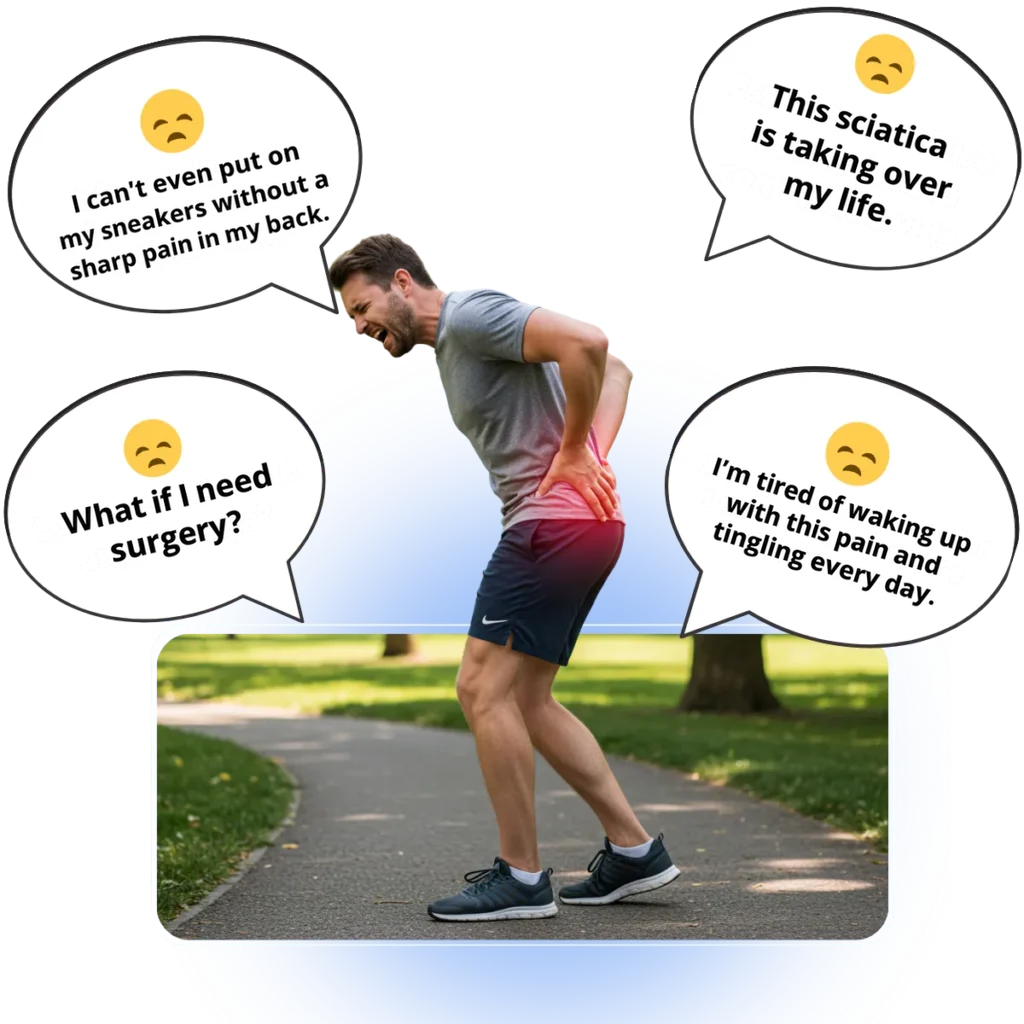
Is back pain keeping you from doing the things you enjoy?
When your back hurts all the time, even pulling on your shoes can feel like a challenge. Maybe you’ve started skipping walks, workouts or afternoons out because you’re worried the pain will flare up.
You may have tried physical therapy, medication and rest, only to find that the discomfort keeps coming back.
It’s easy to second-guess every movement. You might wonder whether you’ll always feel this way, or whether surgery is the only way to get back to the life you miss.
What would you like to feel comfortable doing again?
What can get in the way of a stronger back?

You’re unsure how to strengthen the muscles that support your spine.
It’s hard to tell which exercises might help ease your pain.

You feel as though you’ve tried everything already.

You don’t have a step-by-step routine to follow.
Your gym workout doesn’t address your specific needs.

The weights or range of motion you use may be a poor fit.
That’s where a structured exercise plan can help.
Back in Motion follows three steps to ease stiffness, strengthen your back and help you return to the activities you enjoy.
Days 1–2
Gentle mobility for pain relief
The first two days focus on getting your back moving gently, without jolting or overloading it.
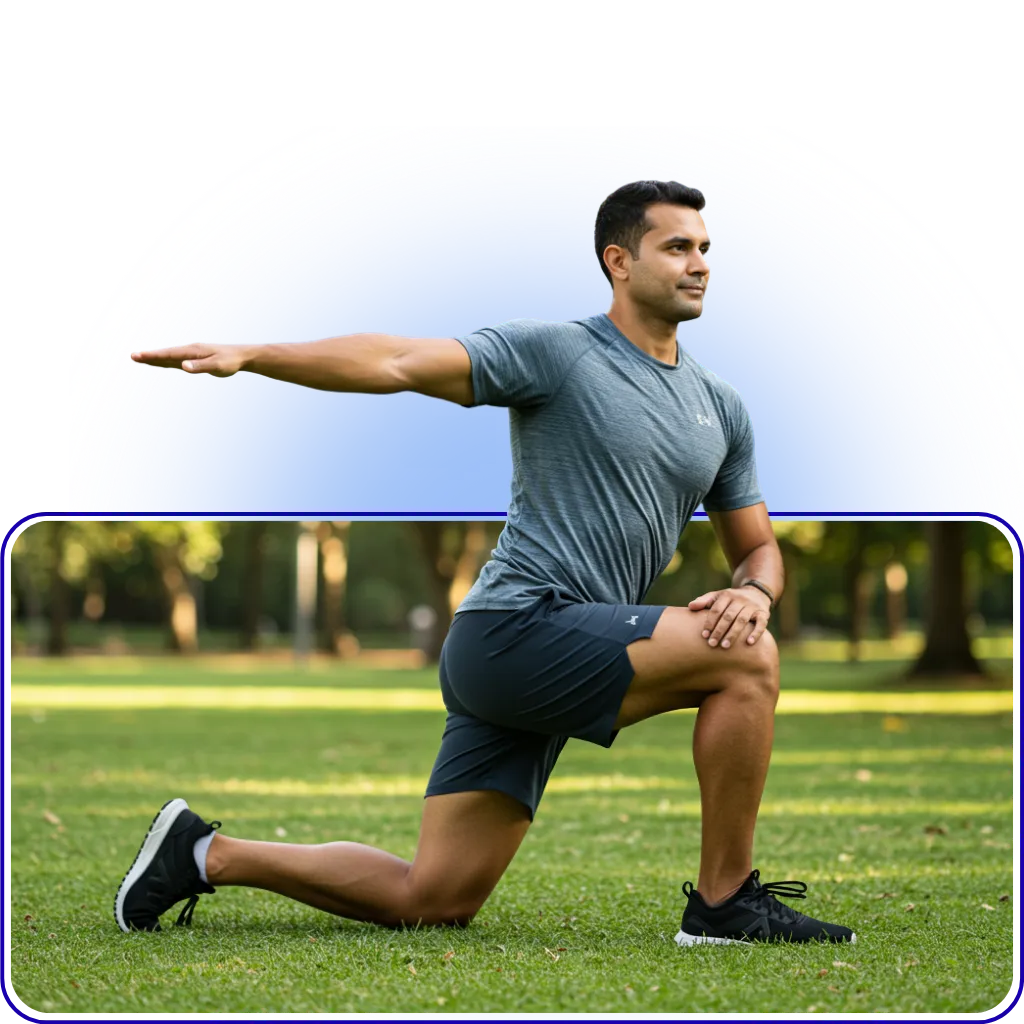
Slow movements and gentle stretches are the starting point for improving flexibility and easing stiffness.
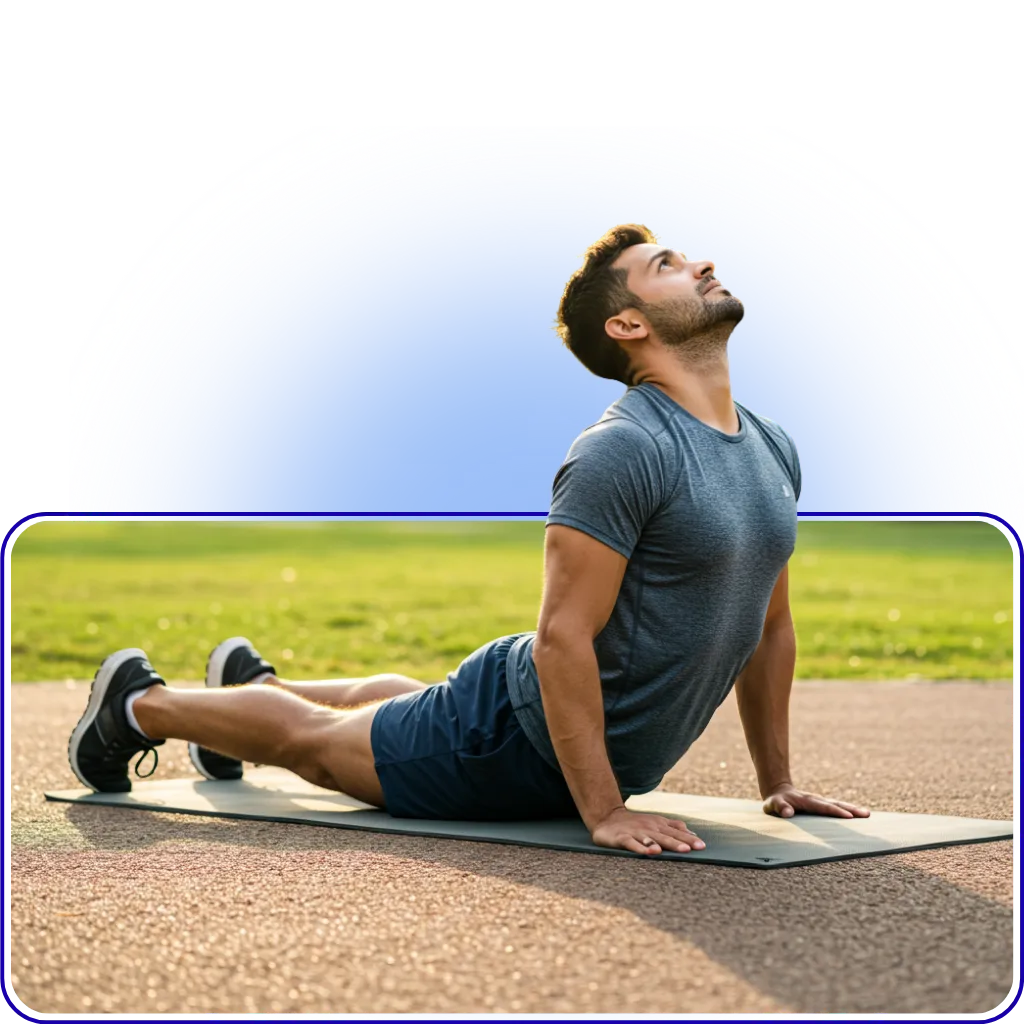
This stage covers gentle back extensions and the use of warm or cold packs for comfort.
Days 3–4
Core activation and spinal stability
As movement becomes more comfortable, the focus shifts to engaging your core and improving spinal stability.
Gentle mobility exercises, targeted stretches and low-impact movements help you explore your range of motion.
You’ll work on the muscles that support your spine as you move.
Days 5–7
Strength training and injury prevention
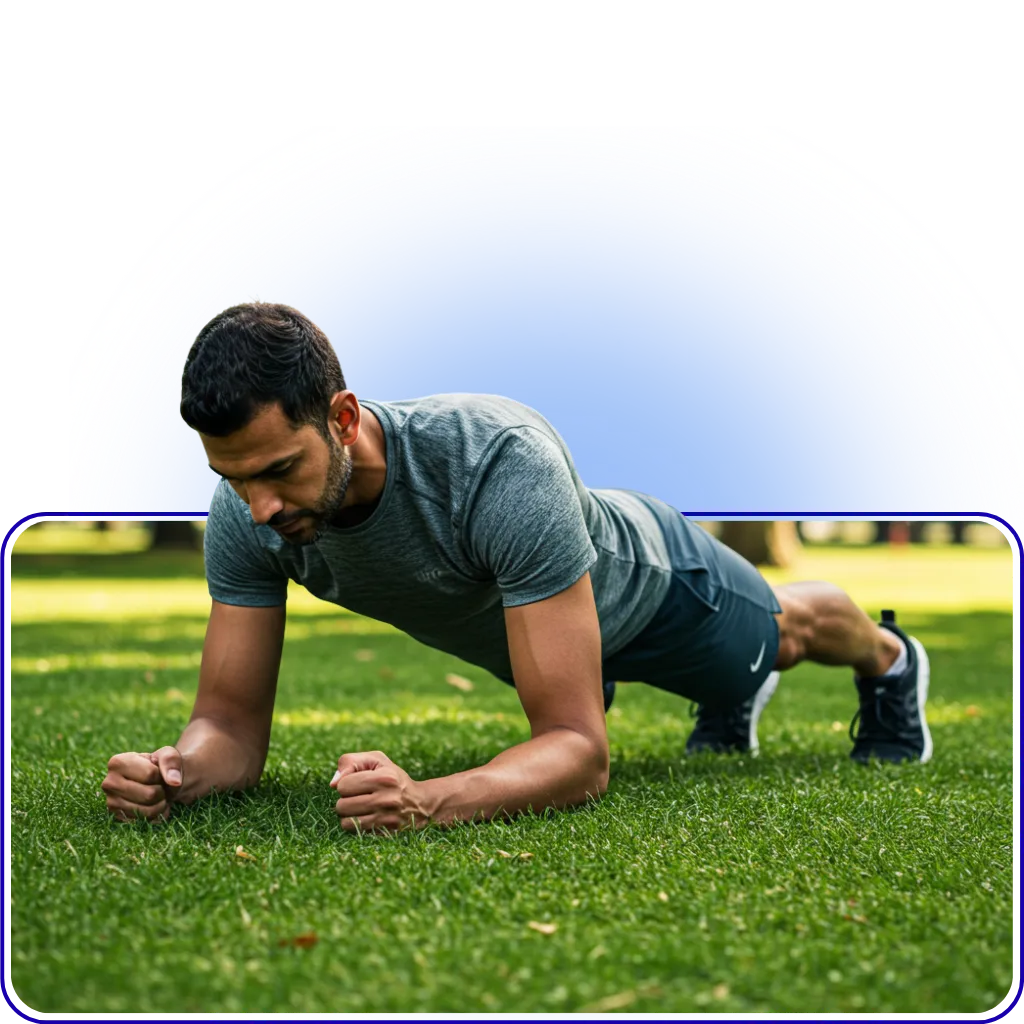
The last three days build on the mobility and stability work with exercises for your core.
Resistance exercises target your abdominal muscles, lower back and glutes. These muscles help support your spine as you carry, lift and move.
This stage pairs strength training with mobility work so you can keep practicing both beyond the first week.
Over the seven days, here’s what you’ll work toward
Move comfortably at work and bend down to tie your shoes
Get back to the sports, workouts and strength exercises you enjoy
Sleep more comfortably, with less worry about your back
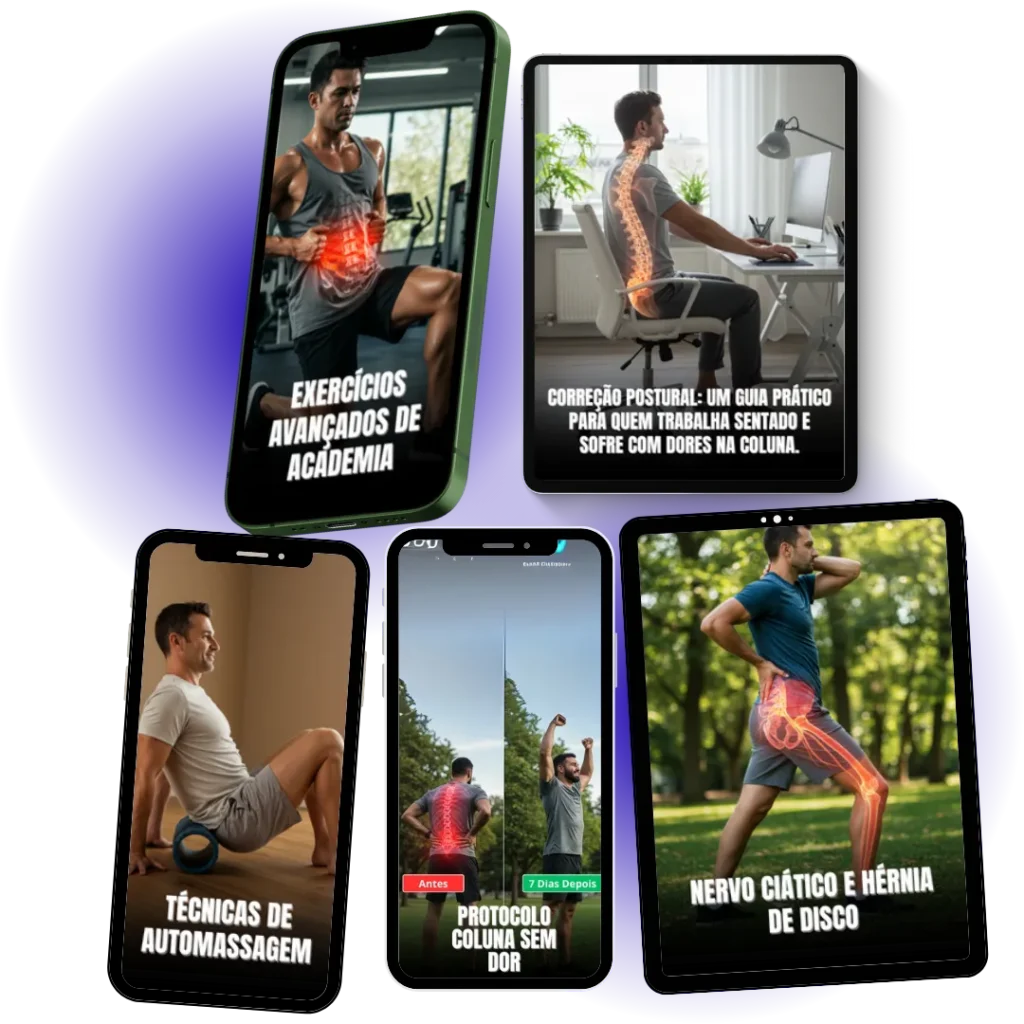
Four practical guides come with Back in Motion
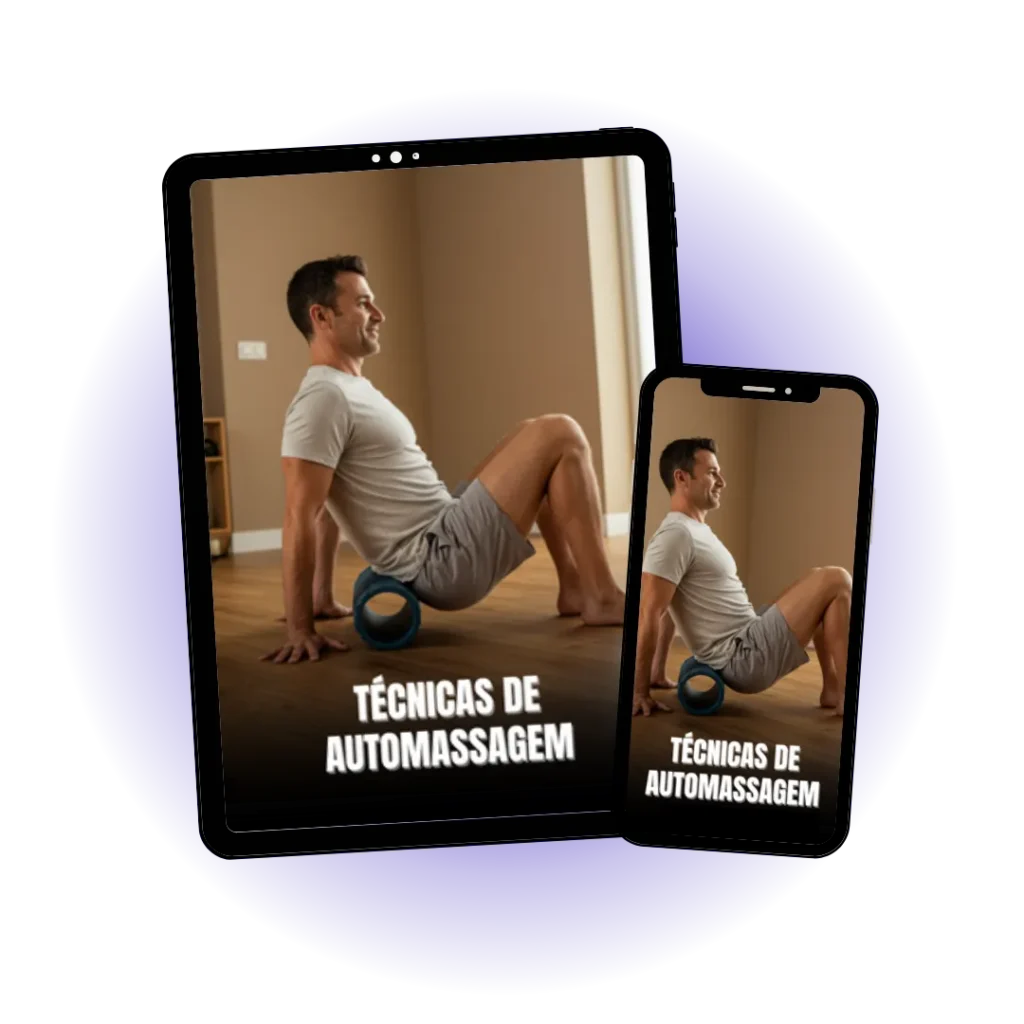
Self-massage techniques for back care
Learn simple self-massage techniques you can try at home. The guide shows how to use your hands or everyday tools to ease muscle tension and stiffness.
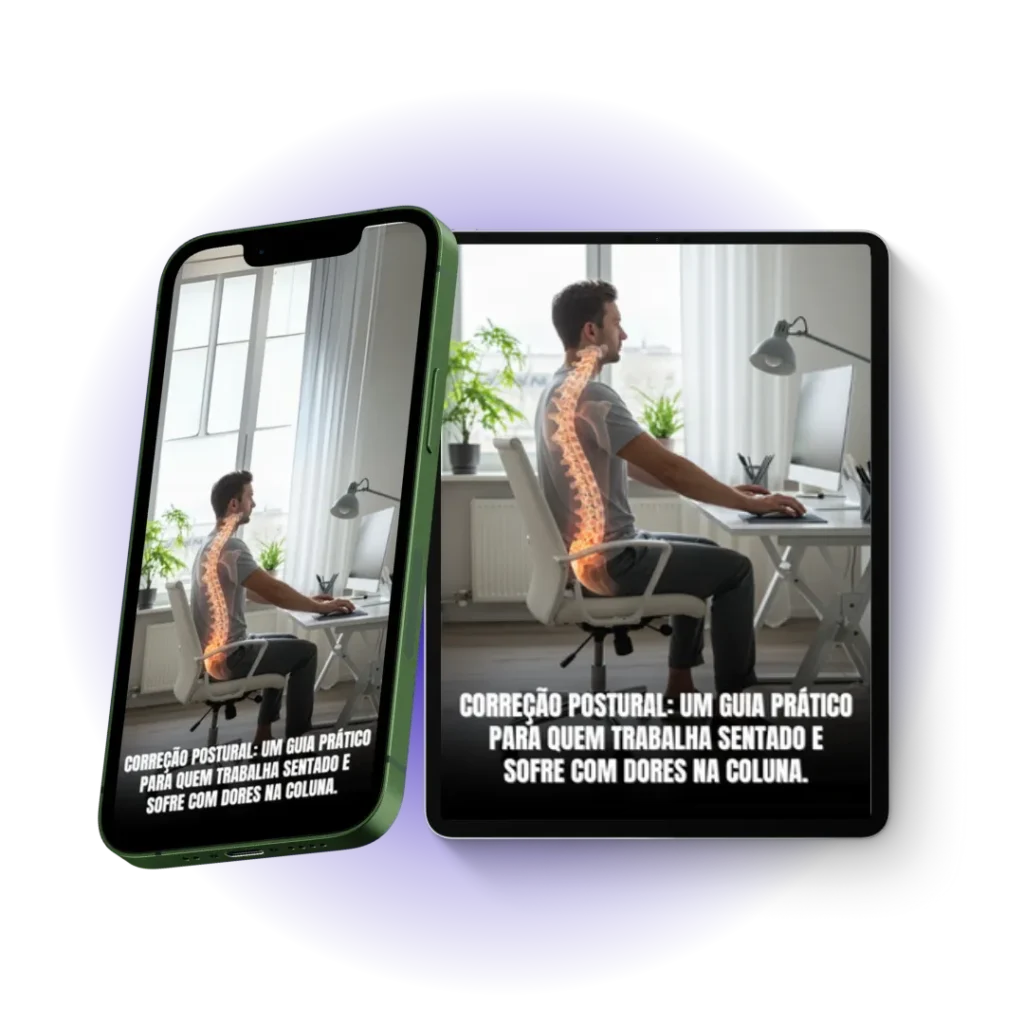
Better posture at your desk
If your back aches after hours of sitting, start with your workspace. Learn how to adjust your chair, desk and monitor, and explore short exercises for easing tension during the workday.
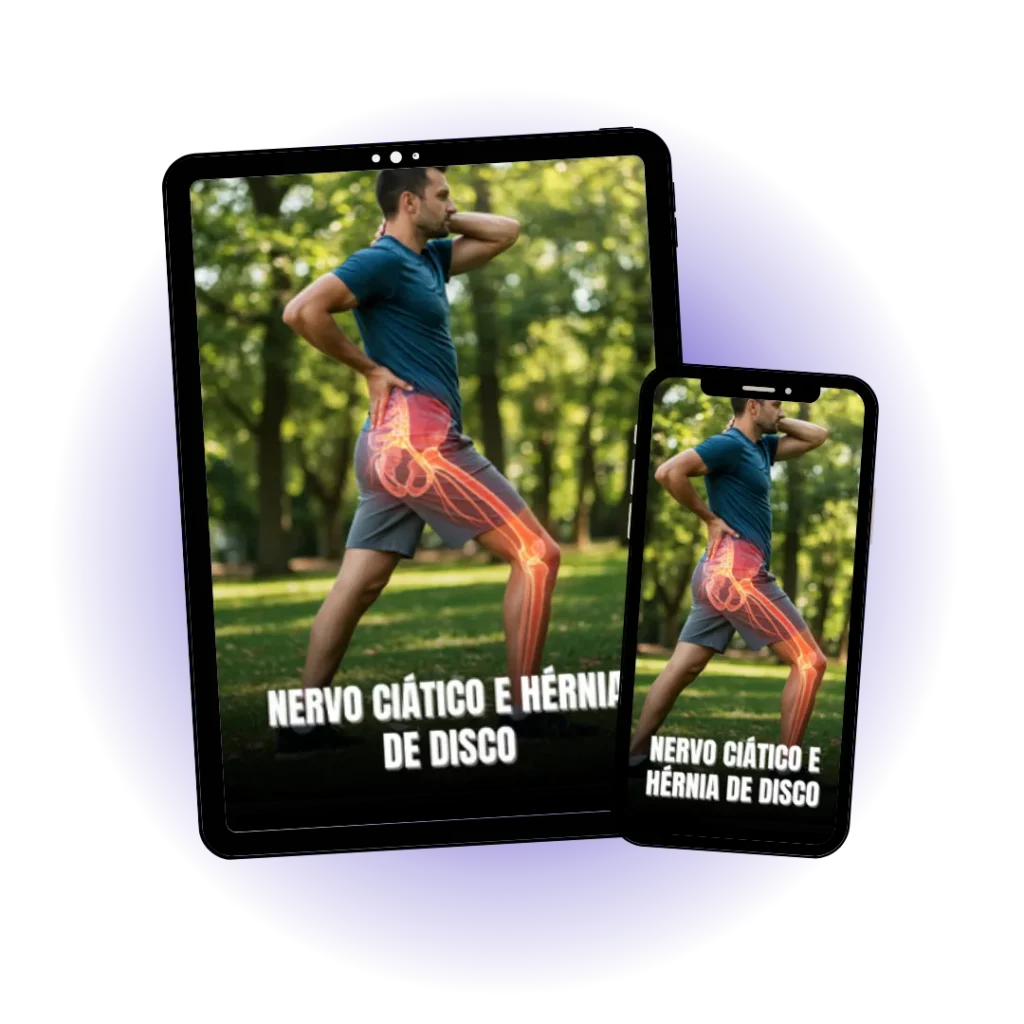
Ten-minute stretches for sciatica and herniated discs
This guide brings together stretches for people dealing with sciatica or a herniated disc. The sequence takes about ten minutes and focuses on flexibility and easing discomfort.
Advanced gym exercises for core strength and upper-back mobility
Take the core work into the gym with exercises that challenge your strength and help your upper back move more freely. The guide focuses on stability and posture as you train.
Conditions covered in Back in Motion
Everything included in Back in Motion

or 6 payments of US$9.90US$59.40 total
LIFETIME ACCESS
ONE PURCHASE. NO SUBSCRIPTION.
PayPal or credit card
Your access link for Back in Motion arrives by email.

Your access link should arrive within a few minutes of payment.

Use your access link to download the 20 exercise videos and open the companion guides.

Open your first worksheet and follow the exercises for day one.
Set aside ten minutes and open your Day 1 worksheet. Find the matching exercise video and watch the demonstration once to see the starting position and the pace of the movement.
Keep the worksheet nearby as you follow along. You can pause or replay the video whenever you want another look.

Start Back in Motion today and take the first step toward moving more comfortably.
Frequently asked questions
No. The program also covers mild to moderate back pain. It starts with gentle mobility work and builds toward stability and strength.
The at-home exercises use your body weight and a small loop resistance band, also called a mini band.
The plan runs for seven days. Some people notice a difference in the first few days, but the changes you feel and how quickly they come will vary.
The program starts with gentle movements that can be adapted to different ages and abilities. The right starting point depends on your mobility and comfort.
After payment, your access link is sent to the email address you used at checkout.
Yes. The program includes a guide to stretches for sciatica and herniated discs.
This website is independent of Facebook and its affiliates. We are responsible for the content you see here after you leave Facebook. Individual results vary. Purchasing the program does not guarantee a particular outcome.